
Garage doors are one of the largest moving components on any home, yet most buyers treat the purchase like picking out paint colors. In Gainesville, FL, that approach can be costly. The humid subtropical climate, seasonal storm systems, and Florida’s strict building codes create a set of requirements that no amount of curb appeal can substitute for. Before exploring residential garage door sales in Gainesville, understanding how humidity resistance, wind load ratings, and material specifications interact with North Central Florida’s climate will save you from an expensive replacement down the road.
Few regions put garage doors through more stress than North Central Florida. Gainesville averages over 50 inches of rainfall per year, and relative humidity routinely sits above 80 percent during summer months — conditions that accelerate corrosion on untreated steel components like roller axles, torsion spring hardware, and hinge brackets. Afternoon thunderstorms are nearly a daily occurrence from May through September, and the occasional tropical system pushes sustained winds well beyond typical thresholds.
UV exposure compounds the problem. Gainesville receives intense solar radiation year-round, and doors without UV-stabilized finishes can show significant surface fading and cracking within three to five years. Selecting materials rated for this specific climate — rather than generic national standards — is the difference between a 10-year door and a 25-year one.
Alachua County enforces the Florida Building Code, which requires all residential garage doors to carry a verified wind load rating. Gainesville does not fall within a High-Velocity Hurricane Zone the way Miami-Dade does, but local code still mandates structural compliance — a requirement you can verify directly through the Florida Building Commission’s product approval database at floridabuilding.org.
Every garage door sold and installed in Gainesville must carry a Florida Product Approval (FPA) number. This certification confirms the door has been tested to meet state wind resistance standards. An uncertified door creates two serious problems: it can structurally fail during a storm, and it typically voids homeowner’s insurance coverage for any resulting damage. Verifying the FPA number before purchase is not a technicality — it’s a baseline requirement for a safe, insured home.
Material selection for residential garage door sales in Gainesville demands more than a visual preference. Steel doors are the most common choice, but gauge thickness is widely misunderstood. Steel gauge works on an inverse scale — the lower the gauge number, the thicker and stronger the steel. A 24-gauge steel door is thicker and more durable than a 25-gauge door, not the other way around. Buyers who assume a higher number means heavier steel often end up with a door less capable of handling wind pressure or physical impact.
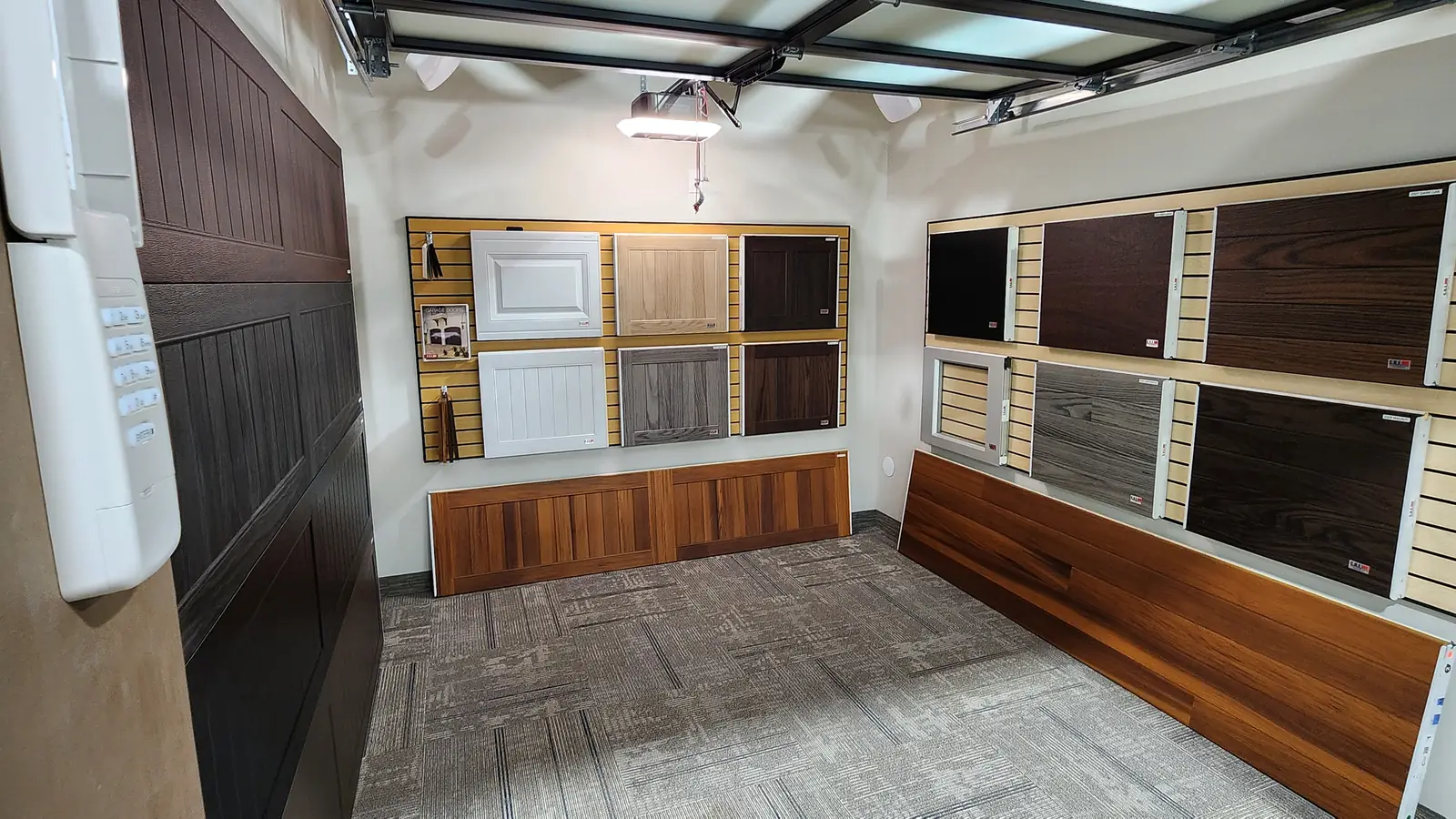
Wood-composite and overlay doors carry their own risks in Gainesville’s environment. Without proper UV-stabilized coatings, these materials absorb moisture, expand and contract with temperature swings, and crack under prolonged sun exposure. Any composite door considered for this climate should be evaluated specifically for its UV and moisture resistance ratings, not just its appearance.
A garage door purchase in Gainesville is fundamentally a climate and code decision before it’s a design decision. Wind load ratings protect your home’s structural envelope during storms. FPA certification keeps your insurance valid. Material specifications determine whether the door holds up for a decade or two. Appearance matters, but only after these boxes are checked.
When you’re ready to move forward, residential garage door sales in Gainesville include options engineered specifically for Florida’s climate — not generic national products adapted after the fact. Reach out to a local Gainesville garage door specialist to identify which products carry the right certifications for your home and budget.
Florida’s product approval system certifies that a garage door has been independently tested to meet state building code requirements, including wind load performance. Every door installed in Alachua County must carry one — you can search existing approvals through the Florida Building Commission’s database at floridabuilding.org.
A door without a verified wind load rating can fail structurally during the kinds of storms Gainesville regularly experiences. Beyond the safety risk, insurance companies commonly deny storm-damage claims on homes with non-compliant doors — making compliance a financial issue as much as a structural one.
Yes — significantly. Non-certified doors violate local building code, can void your homeowner’s insurance policy, and are not built to the wind resistance standards required for this region. An FPA number is the minimum baseline before any other buying criteria apply.
Prioritize doors with UV-stabilized finishes at the point of purchase. Routine maintenance — periodic cleaning, lubrication of moving parts, and inspection of weatherstripping — extends the finish life and prevents the kind of gradual deterioration that Gainesville’s sun and humidity accelerate.